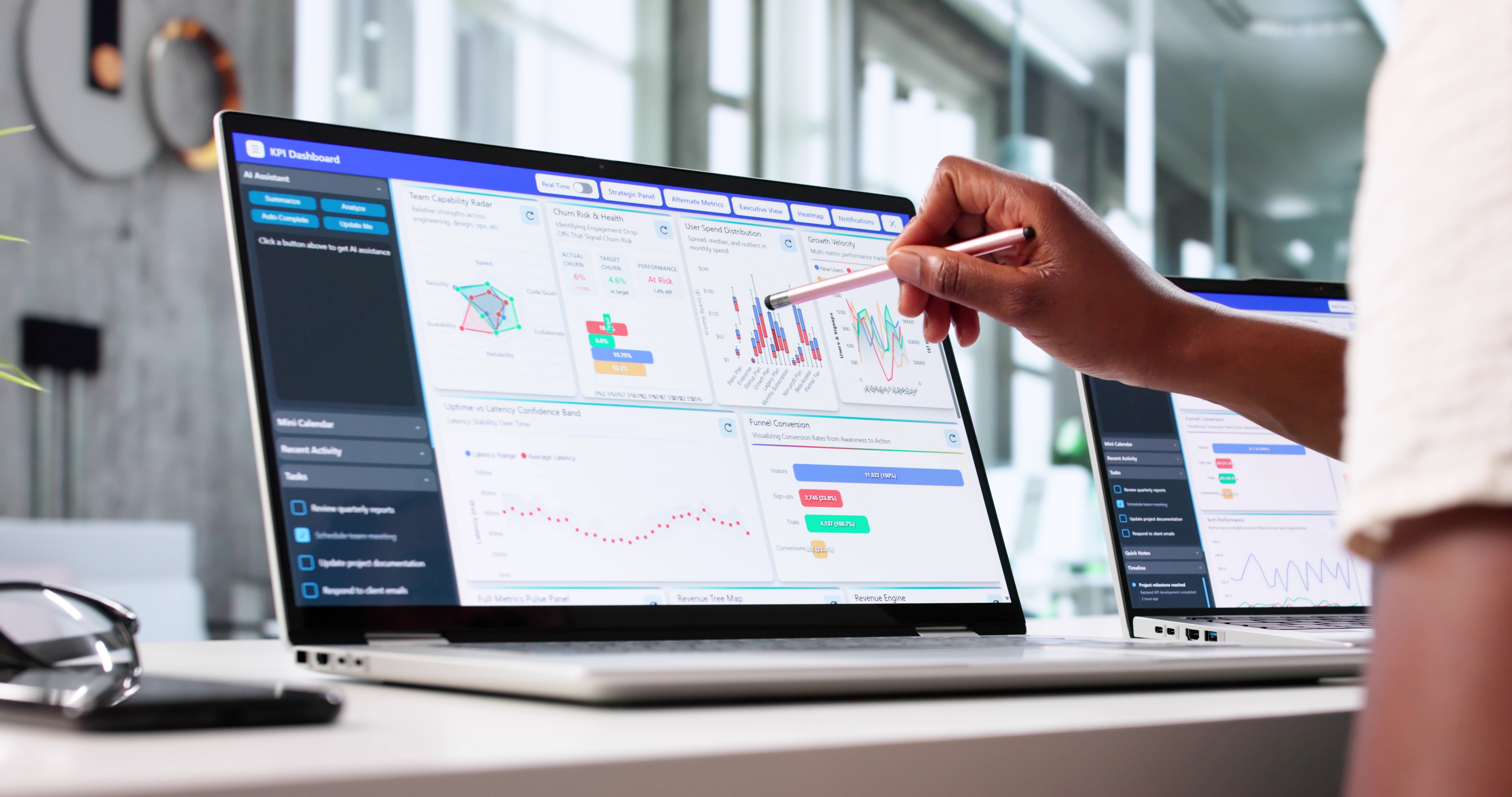
Why You Need Real-Time Analytics Now
The Hidden Costs of Delayed Data
Many organizations are still referencing delayed data to make critical decisions. Even with powerful ERP systems or robust reporting processes, delays in collecting, reconciling, and distributing information can silently drain efficiency and limit growth potential.
Leaders across industries often overlook the cumulative impact of these delays. Slow reports and disconnected data can prevent timely decisions and leave organizations reacting to yesterday’s information.
The Real Cost of Delayed Data
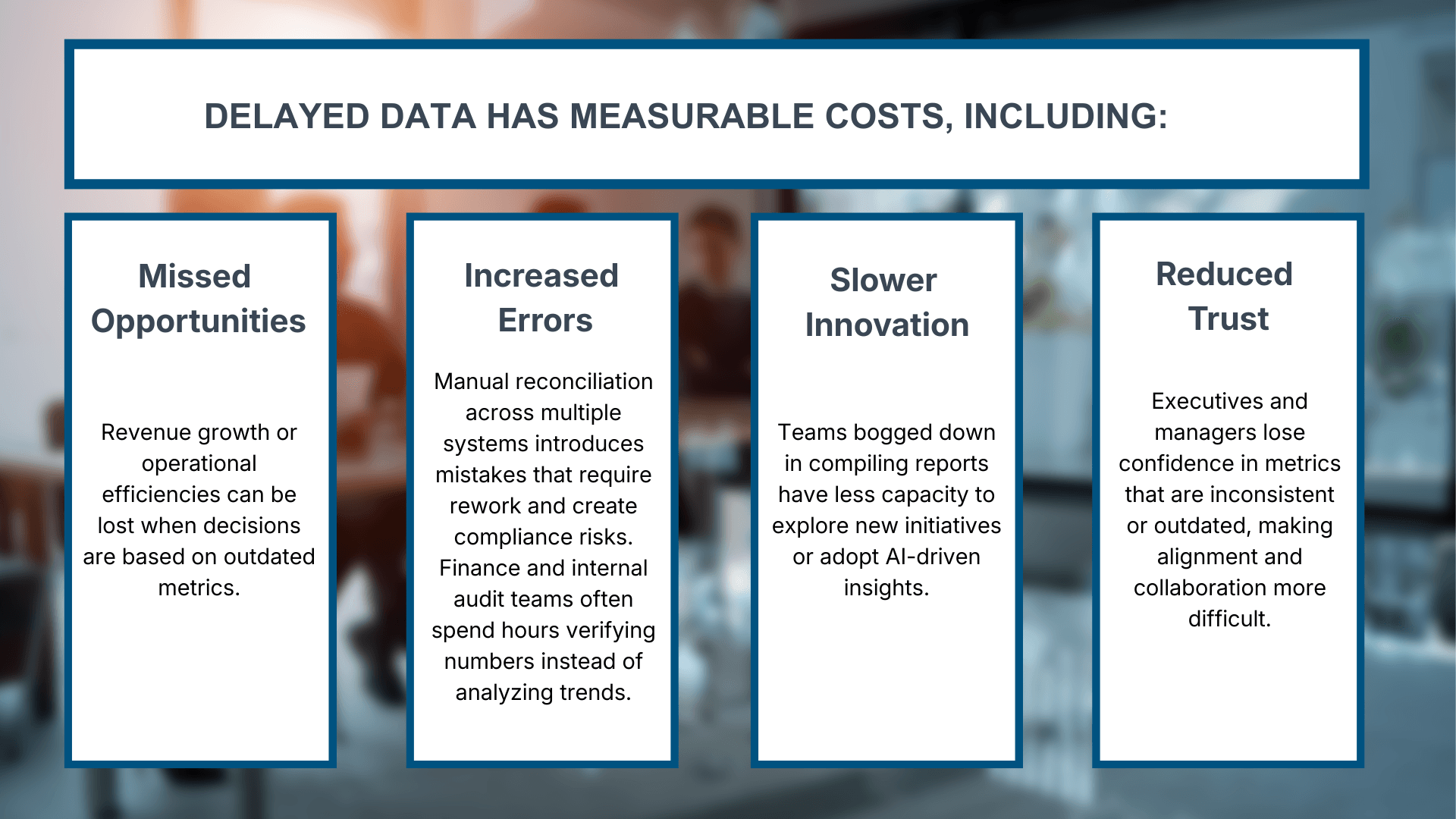
Even when organizations invest in sophisticated analytics tools, delayed data can diminish their effectiveness. A dashboard is only as useful as the data feeding it, and if updates lag by hours or days, the insights it provides are reactive rather than proactive.
Bringing Real-Time Data to Life Modern analytics platforms and cloud-based data integration can help organizations break free from the delays caused by manual processes and siloed spreadsheets. Essential approaches include:
Automated Data Pipelines: Connect your ERP, CRM, and operational systems to automatically feed data into dashboards, eliminating manual entry and reducing errors.
Centralized Data Storage: Consolidate information from different departments into a single, governed source of truth. This ensures finance, operations, and IT teams work from the same metrics, improving collaboration and decision-making.
Real-Time Dashboards: Provide leaders with current insights, enabling them to respond quickly to trends, risks, or opportunities. Finance leaders can monitor cash flow, IT teams can track system performance, and operations managers can adjust workflows instantly.
Alerts and Exceptions: Configure automated notifications for anomalies or critical changes. Instead of waiting for scheduled reports, teams are proactively informed when action is needed.
Industry and Role-Specific Guidance
Finance & Internal Audit: Prioritize dashboards that provide visibility into key KPIs, reconcile accounts automatically, and highlight anomalies to reduce audit cycles.
Operations: Use real-time production or supply chain metrics to identify bottlenecks, reduce downtime, and optimize throughput.
IT & Analytics Teams: Ensure that data pipelines are reliable, secure, and scalable, supporting both current reporting needs and future AI initiatives.
Manufacturing: Use real-time shop floor data to monitor throughput and equipment performance. With immediate visibility, teams can respond faster to issues, reduce downtime, and keep production running efficiently without relying on delayed reports.
Moving Beyond Reactive Reporting
The shift from delayed to real-time data is also a cultural change. Teams must focus on accurate and timely reporting while taking ownership of their work and collaborating across departments. Organizations that adopt real-time analytics gain agility, lower risk, and make smarter decisions faster.
Help With Real-Time Analytics
Clark Schaefer Consulting helps organizations harness real-time analytics to turn data into actionable insights. By building centralized, automated reporting systems and interactive dashboards, we enable organizations to respond confidently to today’s challenges while taking advantage of AI-powered opportunities.
To learn how your organization can reduce the hidden costs of delayed data and unlock real-time insights, contact our Data Analytics team.
Expert Contributors